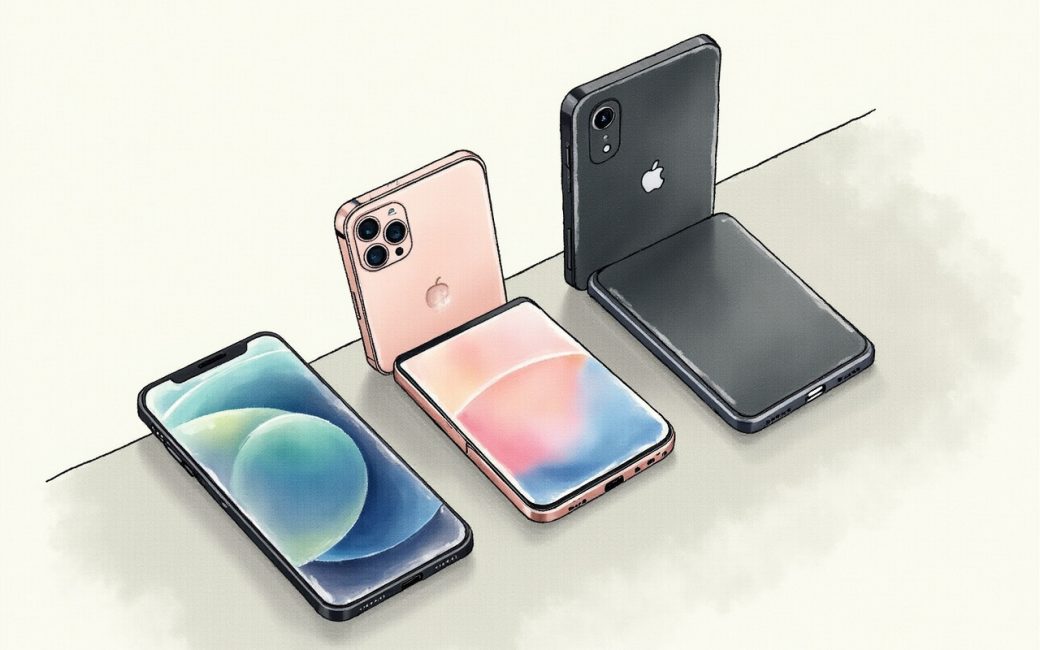
Flagship device price is high enough to block an upfront purchase
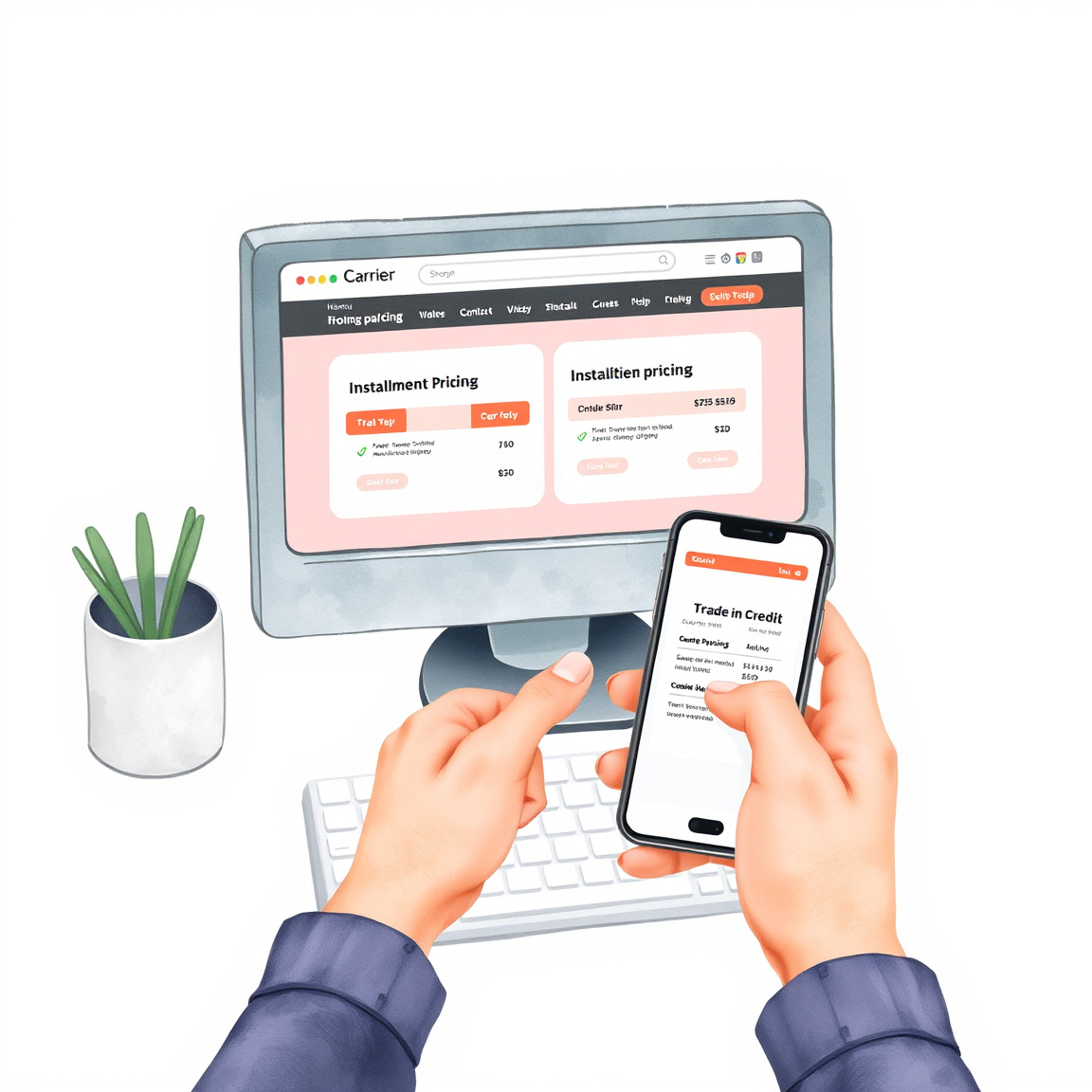
A current flagship iPhone or Galaxy costs enough that paying the full retail price on the spot is out of reach for most buyers, which is why nearly every purchase path on a carrier's own site defaults to a monthly device payment rather than a single charge. That structure shows up consistently across Verizon's phone lineup, AT&T's device pages, and Cellcom's shop, where the sticker price is nearly always shown as a monthly figure first and the full retail cost is secondary.
That monthly figure is a financing installment, not a discount:
- Verizon and AT&T split the device price across monthly installments billed to a specific line over the length of the agreement shown on each device's own page, rather than charging the full price at once.
- Both carriers' device pages tie that installment pricing to signing up for service on an eligible line, and AT&T's device pages and Verizon's phone lineup each condition their advertised device pricing on an active plan and, for the promotional rates, on approval to finance the device.
- Trade-in credits and recurring bill credits are what bring the advertised "$0/mo" number down from the actual installment amount, and those credits stop applying if the underlying conditions (trade-in condition, plan tier, line status) aren't met.
The practical result: an advertised "$0/mo" phone is not free. It is a full-price device financed over several years, with the monthly bill credits — contingent on trade-in eligibility and staying on a qualifying plan — offsetting the installment. Drop the plan or fail the trade-in condition check, and the installment balance is what's actually owed.
Buyer cannot or does not want to pass a credit check or sign a multi-month device agreement
Skipping the credit check and the multi-year commitment means buying the phone outright at full retail price, upfront, on a prepaid line. This is the prepaid path, and it's the direct answer to "what's the cheapest but good phone" that carrier financing pages tend to bury under installment math.
Prepaid catalogs like Straight Talk's phone lineup and Boost Mobile's device shop list basic feature phones and budget Android devices at their full retail price, with no credit approval and no contract attached to the line. You own the device the moment you pay for it. The tradeoff is that flagship-tier phones are rarely subsidized this way — the low price ceiling on prepaid pages mostly covers budget Android hardware and simple feature phones, not the newest iPhone or Galaxy.
| Path | Credit check | Commitment | Typical device tier |
|---|---|---|---|
| Postpaid installment | Required | Multi-month/year line agreement | Flagship (iPhone, Galaxy) |
| Prepaid outright purchase | None | None | Budget Android, feature phones |
Shopper picks a device family first (iPhone/iOS vs Galaxy, Pixel, Motorola on Android)
The more consequential choice usually isn't the phone model — it's the operating system family, since iPhone locks you into iOS and everything else on the list runs Android. Both Verizon and AT&T organize their catalogs this way, splitting inventory by iPhone versus Samsung, Google Pixel, and Motorola.
Once the family is picked, the carrier you attach it to determines two things: which promotional credits apply to that device, and how reliable the phone actually is day to day. A phone bought with a generous trade-in credit is a poor deal if the carrier's signal at your home or workplace is unreliable — at that point the device choice barely matters, because the credits and installment plan are moot if the phone can't hold a connection. Confirm coverage at the addresses where you'll actually use the phone before committing to any specific carrier's device pricing.
Samsung Galaxy
Samsung's Galaxy line is the most consistently stocked Android family across carrier and retail device pages, spanning entry-level A-series models through the flagship S-series. It's the default Android comparison point against the iPhone, and it shows up in the device catalogs at Verizon, AT&T, and Cellcom alongside Pixel and Motorola options.
Apple iPhone
The iPhone is Apple's phone line and the fixed comparison point every Android device gets measured against on these same device pages. It runs iOS exclusively, which is the main reason buyers are asked to pick a platform family before they pick a specific model.
Google Pixel
Pixel is Google's own Android line, positioned as the "reference" Android experience against Samsung and Motorola's variants of the same operating system. Pixel devices appear across the same carrier catalogs as Galaxy and iPhone, generally at a lower price tier than Samsung's top-end S-series.
Line
Nearly all carrier pricing — installment amounts, monthly bill credits, trade-in offers — is quoted per individual subscriber line, not per account or per household. That detail matters because adding or removing a line changes the math on every device deal attached to it, and a credit that applied while a line was active typically stops the moment that line is closed, cancelled, or moved off the qualifying plan — which is also what happens if you leave the carrier mid-installment: monthly bill credits stop, and whatever remains of the device's financed balance becomes due.
Smartphone
A smartphone is the general product every one of these comparisons is about — the device running a full mobile operating system, app store, camera system, and cellular or Wi-Fi connectivity. Every specific model discussed above, from budget Android to flagship iPhone, is a variant of this same category, differentiated mainly by chipset, camera hardware, software update commitment, and price tier.
Motorola phone
Motorola sits in the budget-to-midrange Android tier, carried by several of the same carriers stocking Galaxy and Pixel. It's the option most likely to show up when a shopper wants an Android phone below flagship pricing without moving to a fully prepaid, contract-free purchase.
Android OS
Android is the operating system underneath Galaxy, Pixel, and Motorola devices, and it's the reason those three brands are compared to each other before any of them are compared to the iPhone. Choosing an Android device commits you to that shared software ecosystem — app store, update cadence, manufacturer skin — regardless of which of the three brands you land on.
What are the top 5 phones right now?
There's no single neutral ranking that carrier device pages provide — they list inventory, not recommendations — but the current flagship generation clusters around five devices: the iPhone 16, the Samsung Galaxy S24, a current Google Pixel flagship, a Samsung Galaxy foldable or A-series value pick, and a Motorola or Pixel budget model for buyers prioritizing price over top-tier specs. These five span the practical range most shoppers are actually choosing between — top-tier iOS, top-tier Android, and a lower-cost Android alternative — rather than being a single definitive "best" list, since device pages from Verizon and AT&T present these families as parallel options rather than ranking them against each other.
What is the most hacked phone?
There is no single phone model that carrier or manufacturer pages identify as "most hacked," because that framing conflates two different things: how often a platform is targeted, and how long a specific device keeps receiving security patches. Android's fragmentation across manufacturers means update timing varies by brand and model, while iPhone's single-vendor update path from Apple applies the same patch schedule across its whole current lineup — a structural difference that matters more to real-world exposure than any one device's headline-grabbing breach.
The more useful purchase question is how long a given phone will keep getting security updates, since an older or budget device that has stopped receiving patches is a softer target regardless of brand. That's a spec worth checking on the manufacturer's own device page before buying — alongside the chipset and RAM figures — rather than an unanswerable ranking of which model attackers prefer.
Which carrier has the worst coverage?
No carrier publishes a page admitting its own coverage is weak, and none of the major carrier device pages offer a neutral side-by-side comparison of network reliability — they sell devices, not coverage audits. That means the honest answer is local, not national: coverage quality varies by specific address, terrain, and building density, so the only reliable check is testing signal at the places you'll actually use the phone — home, workplace, commute route — before signing a multi-year device agreement tied to that carrier's network.
Ask a current customer in your area, or use a carrier's own coverage map as a starting point rather than a guarantee, since map shading and real-world signal can differ meaningfully indoors. Do this before choosing the device deal, not after — a generous trade-in credit is worthless on a line that can't hold a call at your kitchen table.
What to do next
Decide your platform family first, check coverage at your actual addresses second, and only then compare the specific installment, trade-in, and credit terms attached to that carrier's version of the phone you want.