Buyer wants the headline carrier price
The number on a carrier billboard is almost never the number you actually pay. Carriers like T-Mobile advertise the iPhone lineup with a monthly bill credit that only fully offsets the phone's cost if you meet every condition attached to the deal.
That credit is typically structured as a monthly bill credit rather than an upfront discount, which means the "free" or "half off" headline only materializes gradually, spread across the length of your contract. Two things unlock it:
- A qualifying trade-in, usually a recent-generation iPhone in working condition
- Enrollment in a multi-month financing plan, commonly 24 to 36 months, tied to staying on that carrier's specific rate plan
Walk away early — switch carriers, downgrade your plan, or pay off the phone ahead of schedule — and the remaining bill credits typically stop, leaving you owing the balance of the device payment plan.
Compare that to buying the same configuration outright. Apple lists the iPhone at a single unlocked price with no plan requirement, and Visible and other carrier-adjacent retailers post their own bundled pricing that's worth lining up against Apple's number for the identical 256GB configuration before you sign anything. The unlocked price is higher on day one but has no trade-in dependency and no 24-to-36-month tether — which matters if you tend to upgrade sooner or want to sell the phone yourself later.
Shopper asks whether the Pro is worth the premium over the base iPhone 17
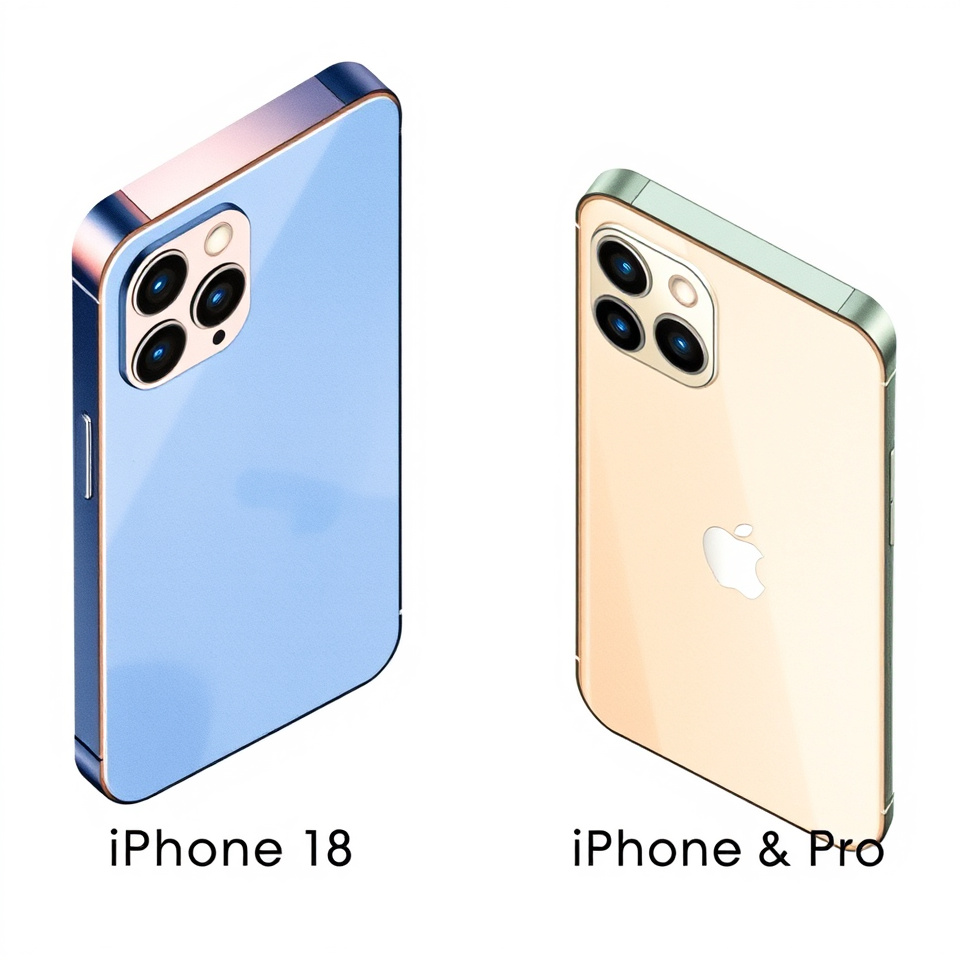
The Pro premium buys you a better rear camera system, a better display, and longer battery life — and whether that's worth it depends on which of those three you'd actually notice. Consumer Reports frames the decision around exactly this kind of feature-by-feature match rather than a blanket recommendation, since the base and Pro models increasingly share more than they used to.
The gap concentrates in a few places:
- Rear camera system: additional lenses and stronger low-light and zoom performance on Pro models, most visible in portrait mode shots and telephoto framing
- Display: Pro models typically get brighter, higher-refresh panels than the base line
- Battery: Pro and Pro Max models are rated for more video and audio playback hours than the base model of the same generation
Long-term ownership matters more than launch-week specs here. A camera bump that looks dramatic in a side-by-side comparison photo can matter far less after months of ordinary use if you mostly shoot in good light and don't zoom. Before paying the premium, it's worth asking honestly whether you shoot in low light often, whether you notice screen refresh rate at all, and whether you're someone who runs a phone down to single digits by evening — because that last habit is where the Pro's extra battery hours actually pay for themselves, not in a marketing chart.
Battery life is quoted in playback hours per model
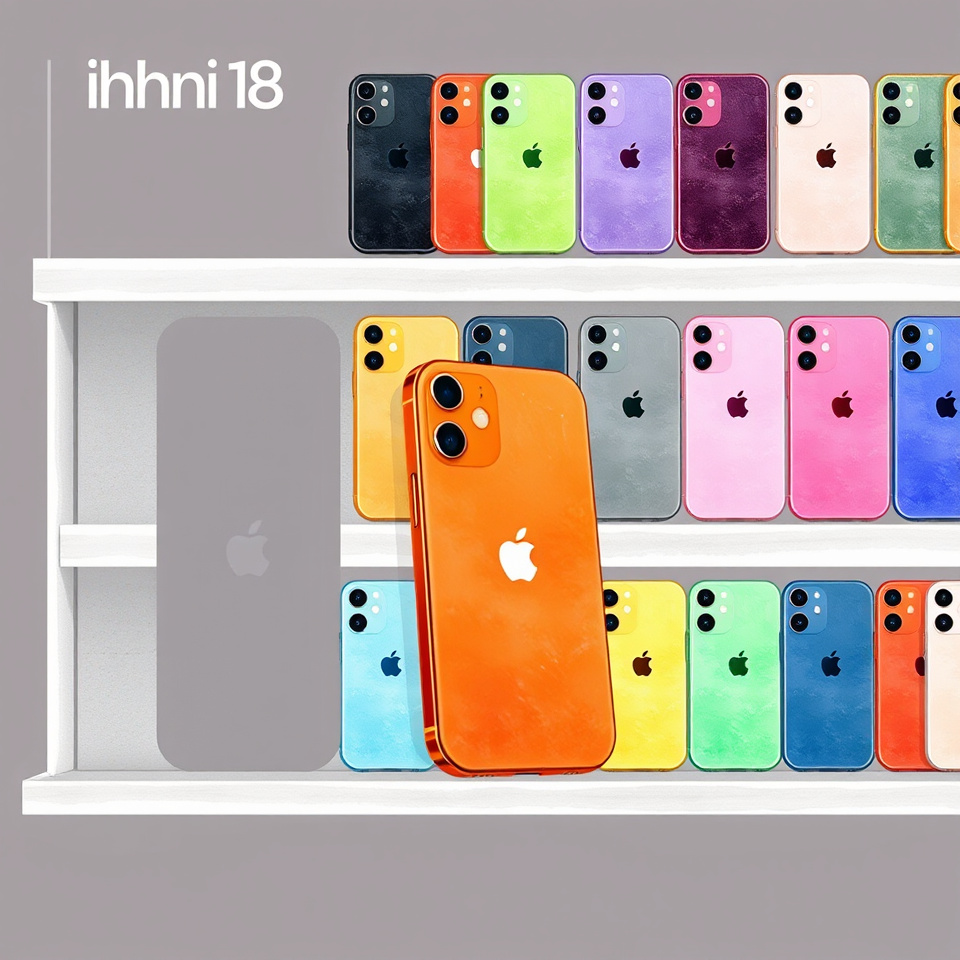
Apple's battery figures are rated hours of continuous video or audio playback under controlled test conditions, not a prediction of how long your phone will last on a normal day of texting, browsing, and camera use. Apple's iPhone page lists these hour figures per model, and they scale mainly with two things: how large and power-hungry the display is, and how efficiently the chipset inside handles everything running behind the screen.
That's why the Pro Max in a given generation is consistently rated for more hours than the standard Pro: it has more physical room for battery cell, even though both models share the same generation of chip. A bigger screen draws more power, but a bigger body has more space to compensate for it.
The practical consequence: if you're someone who reliably drains a phone before the day ends, changing a screen brightness setting or closing background apps is a marginal fix. Sizing up — Pro to Pro Max, or base model to Pro — addresses the underlying capacity gap in a way settings tweaks can't, because the rated hours track battery size and chip efficiency, not how carefully you manage the software layered on top.
Shopper sees Cosmic Orange listed in some channels but not others
Cosmic Orange showing up on Apple's site but missing from a specific carrier's page doesn't mean it's been discontinued. It means that channel hasn't stocked that finish in that storage configuration — carriers and third-party retailers each choose their own subset of colors and capacities to carry, and that subset shifts independently of Apple's own availability.
Best Buy's iPhone listings and T-Mobile's iPhone page don't necessarily mirror each other or Apple's own storefront at any given moment. A finish can be sold out at one retailer, fully stocked directly from Apple, and simply never carried at all by a given carrier. If a color you want has vanished from the one page you checked, the fix is to check Apple directly before concluding it's gone — a channel stocking gap and a discontinued finish look identical from a single page, but only one of them is permanent.
Display
The front screen is the single most consistently detailed spec across every current iPhone listing, even though it rarely gets its own heading. Size, resolution, and refresh rate differ between the base and Pro tiers, and those differences are what mostly drive the perceived "premium" feel of the higher-tier phones side by side.
Apple's product pages list these specs per model, and the pattern holds generation to generation: Pro-tier phones get the higher refresh rate and brighter peak output, while the base model gets a simpler, still perfectly capable panel at a lower price. If display quality matters to you more than camera hardware, it's worth reading the display line item as closely as the camera one — it's often the more noticeable day-to-day difference.
iPhone 17 Pro
The iPhone 17 Pro is Apple's current Pro-tier model, sitting above the base iPhone 17 and below the Pro Max in the same generation. It's the phone most current buying guides are built around, including Consumer Reports' comparison of the current lineup.
Where it sits in Apple's product life is a fair question given how the company staggers releases: a new generation typically arrives roughly a year after the previous one, meaning the 17 Pro is not close to end-of-life by any normal iPhone cadence — it's the current top-tier phone, not an outgoing one. It stays Apple's flagship recommendation until the next generation actually ships, at which point it typically continues to be sold at a reduced price for a period before being phased out of the primary lineup, following the pattern Apple has used with prior generations.
Rear camera system
The rear camera system is the single most heavily marketed feature on the current lineup, and it's also where the Pro tier separates furthest from the base model. Apple's own iPhone pages lead with camera specs in every product listing, reflecting how central this component is to the sales pitch at every price tier.
The Pro models add lenses and sensor capability the base iPhone 17 doesn't have — additional telephoto reach and improved low-light sensitivity chief among them. Whether that's worth the price difference comes back to actual use: someone who takes casual daylight photos will struggle to see it, while someone shooting in mixed or low light, or relying on zoom for distant subjects, will notice it immediately.
Portrait mode
Portrait mode is the capture feature most frequently referenced in reviews and comparisons, more than almost any other single camera function. It uses the rear camera system's depth sensing to blur backgrounds behind a subject, simulating the shallow depth of field you'd get from a larger camera sensor and lens.
Its quality depends directly on the camera hardware behind it — more lenses and better depth sensing on Pro models tend to produce cleaner edge detection and more natural-looking blur, particularly in trickier lighting. On the base model, portrait mode still works but is more prone to visible errors around hair, glasses, and other fine edges. If portrait shots are a big part of why you photograph people on your phone, this is one of the more concrete, checkable differences between tiers rather than a marketing abstraction.
256GB storage option
256GB has become the effective baseline configuration across carrier and retailer listings, even though smaller capacities technically still exist in Apple's own lineup. It's the size most often used as the reference point in promotional pricing, which is why comparing carrier deals against Apple's direct price only works cleanly if you're comparing the same 256GB configuration on both sides.
That consistency matters for cross-shopping: T-Mobile's and Best Buy's advertised monthly prices are generally built around 256GB models, so a smaller-capacity Apple price won't line up against them — you need to match storage size, not just model name, before any price comparison means anything.
Cosmic Orange finish
Cosmic Orange is the signature colorway for the current Pro-tier phone, used prominently in product photography and listing titles across retailers. It's a distinguishing choice — a bolder finish than the more neutral tones that have anchored past Pro colorways — and its prominence in marketing is part of why its absence from a given retailer page tends to draw attention.
As covered above, a missing listing for this finish at one retailer is a stocking decision by that specific channel, not a signal about the color's overall availability. Checking Apple's own iPhone page directly is the fastest way to confirm whether a color is actually gone or just absent from wherever you happened to look first.
Colour and storage configuration
The combination of color and storage you pick is what actually determines both price and whether you can buy the phone at all in a given place — not one or the other in isolation. A color can be fully in stock in one storage size and sold out in another at the exact same retailer, and the reverse is just as common.
This is why availability research needs to be done at the combination level, not just "is this color available" or "is this storage size available" as separate questions. Checking Apple's direct listings alongside Best Buy's and T-Mobile's inventory for the specific pairing you want is the only reliable way to know before you commit to a purchase or a trade-in-linked plan.
Is the iPhone 18 release date?
There is no confirmed release date for an iPhone 18 from Apple. Apple has not announced a next-generation iPhone, a launch window, or specifications for anything beyond the current iPhone 17 lineup on its own iPhone product page, and any date circulating elsewhere is speculation rather than something Apple has stated.
What can be said with more confidence is the pattern Apple has followed for years: new iPhone generations have typically arrived on a roughly annual cycle, generally in the fall. That pattern is a historical rhythm, not a promise, and Apple has never pre-announced a launch date for an unreleased iPhone generation. Until Apple issues an actual announcement, the current top-tier phone remains the iPhone 17 Pro, and that's the model worth evaluating on its own merits rather than holding out for a successor with no confirmed timeline.
If you're deciding right now, the more useful question isn't when the next phone arrives — it's whether the current lineup, particularly the trade-offs between the base iPhone 17 and the 17 Pro covered above, already fits what you actually do with a phone day to day.